
Life
Do overemotional people hold the key to happiness?


By Emine Saner
I feel I’m too sensitive for this world,” says Lena, who can’t cope with crowds or bright lights. Melissa gets her husband to watch films before her to see if she will be able to handle any violence, gore or scariness. When their grownup children bring the grandchildren round, she has to retreat to another room because their “loud laughter, the talking over each other, their swearing and their smells overwhelm me”. Lucia says she can feel “each and every fibre of her clothes” and it feels very ticklish or uncomfortable at times. Sometimes, she has to stop during sex with her partner because it becomes “too ticklish”.
Lena, Melissa and Lucia would all describe themselves as highly sensitive, a label that could be applied to up to 20% of us, according to the US-based psychologist Elaine Aron, who started studying high sensitivity in the early 90s, and published her influential book The Highly Sensitive Person in 1996.
“When these people have information coming in, they process it much more deeply and more elaborately,” explains Genevieve von Lob, a clinical psychologist who works with many highly sensitive people, especially children. “They tend to take in much more information from lots of different kinds of stimuli. And then they’re processing it more deeply than a non-sensitive person – and because they’re taking in so much at once they can get much more overstimulated, overaroused and overwhelmed.”
One in five of us struggle to cope with everyday smells, sounds and images. Rather than a weakness, this extreme sensitivity could be a strength in everything from the pandemic to the climate crisis.
When the Guardian asked readers to share their experiences of high sensitivity, more than 300 people responded. Over some 40,000 words, they wrote about feeling drained by their ability to tune into other people’s emotions, or exhausted from working in open-plan offices or a visit to the supermarket. It was common to report crying at emotional adverts, but also to be dismayed and deeply affected by political events. “I found austerity horrifying,” writes one. “I work in a school that has been directly impacted by cuts. I teach children who are experiencing the effects of neglected public services and parents who are financially unstable. If poverty continues to rise in this country, I know I will be spending a lot more time crying in my classroom.”
Several people reported wearing headphones “to block out the world”, and avoiding social media lest a crossword ruins their day or week. Criticism at work can stay with them for years, other people’s perfume feels like an assault and relationships can be tricky.
“It is difficult to explain to someone why the noise and light of the television in the morning feels like being punched in the face, or why the texture of their favourite scratchy blanket makes me want to cry, without sounding like an insane person,” wrote one woman. “I wish I were not a highly sensitive person – it has made my life much more difficult.” Others remembered being told to “toughen up” as a child, or had lived for decades with the feeling there was something wrong with them.
As a result, a lot of highly sensitive people have low self-esteem, von Lob says. “Often they might have been bullied at school. Society tends to view it as a weakness, and they can get these labels like ‘fragile’ or ‘overemotional’. I think people who are highly sensitive can often feel lonely and misunderstood, and not normal. The world feels too harsh, too loud for them. It’s not surprising that they struggle to accept themselves and they struggle to value their gifts because of the messages they have received.”
But while our noisy, frenetic, always-on world can be an unforgiving place, there is some hope. Our understanding of what it means to be highly sensitive and how to cope with the unpleasant side-effects is increasing.
It is hard to explain why the noise and light of the TV feels like being punched in the face.
Self-acceptance is key, says von Lob. High sensitivity is innate, and not something to be diagnosed or “treated”, though people can learn coping mechanisms for when life becomes overwhelming. “I can’t emphasise enough how much you need unstructured downtime – plenty of sleep and rest,” says von Lob. The highly sensitive “need to pace themselves. Because they take in so much more and they have more intense emotions, they need time to process the emotions in their body, so movement can be really helpful – walks, or kickboxing or dance or yoga, whatever type of movement they enjoy. Because they’re people who are deep thinkers, they’ve got very rich inner worlds, and it’s really important for them to have those sort of meaningful, deeper connections in relationships.”
Time spent in nature can be helpful, she adds. “And simplifying life, so having less clutter around, less of a busy schedule. That’s why they work well with self-employment or being able to structure their own work day.” It is important, she says, not to compare yourself with other people, “because if you’re comparing yourself with the mainstream world of the non-sensitive, you’re never going to be able to do what they do, but you’ve got your unique strengths”.
Because being highly sensitive is a strength – or a “superpower”, as more than one respondent put it. “The advantages are that it makes me a really good listener, good at conversation,” says Samira. “I’m able to find underlying meanings easily, I’m very intuitive and I have a rich inner life with a strong emotional vocabulary.” Others report hearing nuances in music that the average person might miss, or being deeply empathetic with friends. Highly sensitive people tend to notice things in the environment that may pass others by, and get more from the arts.
Meeting people who embraced their quiet, joyful natures was transforming, and I embraced my own sensitivity.
Louise, a researcher, grew up believing it was “wrong” to be so sensitive. It was only in her 30s, when she was unhappy in her job, that she went on a sculpture holiday and reconnected with her love of art. “That holiday completely changed me – I met similarly sensitive people and for the first time realised that being sensitive was OK. The people I met there didn’t think being ‘soft’ was bad, and were comfortable discussing their own sensitivity, their ability to find joy in beautiful things, to feel deeply about the world around them,” she says. “Meeting people who embraced their quiet, joyful natures was transforming and I came back embracing my own sensitivity. I started reading and creating again and thought carefully about my career and how it failed to nurture me. I gave myself permission to be the sensitive person I really was.”
She started a PhD, and: “Several years later, my life is transformed. My sensitivity has become my strength and it is the reason for the success of my research, which involves working with vulnerable people. My work is reliant on deep thinking and deep human connection. I am open about my need for a quiet office and my employers have been brilliant, understanding the impact of overstimulation in larger offices. I wish I had realised earlier in my life that being highly sensitive could be a strength, rather than a weakness.”
There has been a question over whether high sensitivity is a sign of autism, but Michael Pluess, professor of developmental psychology and sensitivity researcher at Queen Mary University of London, says that, although both feature a more responsive sensory system, “sensitivity and autism are probably two fairly separate things” (highly sensitive children may originally be diagnosed as having autism spectrum disorder). Similarly, it’s not about being an introvert, as there are extroverts who are also highly sensitive. Aron’s work is around the idea that sensitivity is a personality trait, although other researchers come at it from a biological or physiological perspective.
Pluess doesn’t like the term “highly sensitive personality”; he prefers to think of sensitivity as a continuum. “Everyone is sensitive – we would not be able to survive without being sensitive to the environment – but some people are more sensitive than others, and having a higher sensitivity has benefits and also challenges.”
It might be exactly what we need, if only society could recognise and nurture people with these traits.
It’s about knowing that being highly sensitive is not a weakness, says von Lob. In fact, it might be exactly what we need, if only society could recognise and nurture people with these traits. There are thought to be as many men as women who have high sensitivity, but for cultural reasons to do with ideas of “masculinity” these traits are not seen as desirable – to the detriment of all of us. “Some of the strengths are that they are very self-aware, they have this great capacity for empathy,” says von Lob. “So that’s really good in leadership roles. They often are creative people, so they could be the visionaries of our world – they come up with different ways of thinking from the mainstream. They have a very strong sense of justice and fairness. They’re very good listeners, and question rules that don’t make sense. They’re very conscientious, because they look at details. We need these kind of skills and awareness in the world at the moment.”
The ongoing response to the pandemic and the climate emergency are both vital areas that could benefit from the abilities of highly sensitive people, says von Lob. “They can use their passion, their intuitive knowledge and their self-awareness to be part of the solution.”
Isadora often wears earplugs while out and about to dull some of the “jarring” noise, can’t bear the odour of cleaning products or cooking smells, and finds loud music in restaurants unbearable. Still, she says, “despite the challenges, I’m glad to be highly sensitive because I feel that the world could benefit from more sensitive individuals. There is an overabundance of insensitivity.”
Emine Saner is a feature writer for the Guardian
Source: Guardian





When remote work became a reality many people experienced a sense of joy and relief from having to endure long commutes and working in open-plan offices. However, as time passed, a different emotion began to take hold—loneliness.
The lack of in-person interactions and casual conversations left remote workers isolated and disconnected. Loneliness became an unexpected consequence of the remote work lifestyle, and it’s essential to address this issue to ensure well-being and productivity.
Understanding Loneliness
Loneliness is a subjective feeling that arises when there is a gap between the desired level of social connection and the actual relationships one has.
Each person’s experience of loneliness is unique, and it’s crucial to identify and understand one’s specific needs. By recognizing the lacking aspects of connection, individuals can take targeted steps to bridge the gap and alleviate feelings of isolation.

Figure Out What You Want
The first step in addressing loneliness is identifying personal needs and preferences regarding social connections. Reflect on the type of interactions that bring fulfillment and satisfaction. Is it casual conversations, one-on-one meetings, or group collaborations?
Determine if there is a need for a lunch buddy or a desire for a larger team. Being specific about these needs will pave the way for finding practical solutions.
Think About Your Choices
Once the needs are identified, it’s time to explore the available options to enhance social connection and interaction. Consider both existing resources that may have been overlooked and potential adjustments that can be made to suit those needs better.
Think outside the box and brainstorm ideas such as coworking spaces, volunteering opportunities, company networks, classes, or professional associations. Expanding the range of possibilities increases the chances of finding a suitable solution.
Make the First Move
From the list of needs and potential options, prioritize the most important and select the best action to address it. Start with a first step towards exploring that option further. This could involve requesting to mentor a colleague, initiating virtual coffee chats with peers, or seeking out local volunteer roles.
Taking that initial step creates momentum and allows for progress toward reducing loneliness while boosting professional development and networking opportunities.

Monitoring and Seeking Support
As the journey to combat loneliness unfolds, paying attention to one’s emotions and well-being is essential. If feelings of loneliness persist despite the efforts, it’s crucial to open up to someone trusted, like a coworker or friend, about these experiences.
Additionally, monitoring physical and mental health is vital, as prolonged loneliness can contribute to various health conditions. If concerns arise, seeking support from healthcare professionals can provide the necessary guidance and assistance.
Prioritizing Well-being in Remote Work
Finding the right balance in a remote work environment is not always easy, but it is vital for overall well-being. Ignoring persistent feelings of sadness, stress, or anxiety can have detrimental effects on mental and physical health. Remember that while work is essential, health and well-being are priceless.
By addressing feelings of loneliness head-on, remote workers can create a supportive and fulfilling work environment that promotes productivity and happiness.
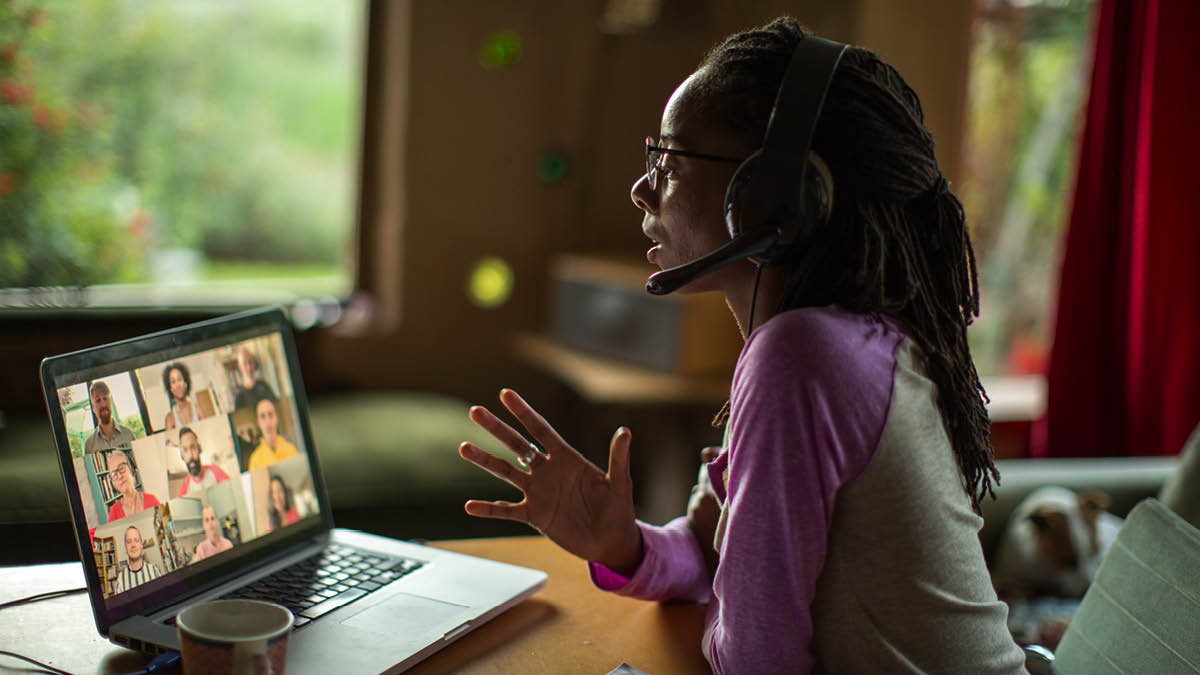
Remote Work Landscape
Transitioning to remote work brings benefits and challenges, including the potential for loneliness. Acknowledging and understanding the specific needs related to social connections is crucial in combating these feelings.
By exploring various options, taking actionable steps, and seeking support, remote workers can effectively address loneliness and create a positive and fulfilling remote work experience.
Prioritizing well-being alongside professional success ensures a harmonious and thriving work environment, no matter where work takes place.


Time management is a crucial skill that can significantly impact an individual’s productivity, work-life balance, and overall well-being. Managing time becomes even more essential in a world where work hours are often stretched beyond the recommended limit.
Understanding the Significance of Time Management
In today’s fast-paced and demanding work environment, time management goes beyond simply completing tasks and meeting deadlines. It involves managing one’s capabilities, optimizing productivity, and achieving work-life harmony.
The ability to allocate time effectively can lead to increased job satisfaction, reduced stress levels, and improved overall performance.

Setting Realistic Timelines for Deliverables
According to an internal poll conducted at Foundit (formerly Monster APAC & ME), more than 59 percent of employees believe setting realistic deliverables timelines is crucial for achieving work-life harmony.
To manage time effectively, it is essential to plan and prioritize tasks. By listing daily tasks and arranging them based on priority, individuals can maintain a sense of productivity and balance.
Project management apps with features such as to-do lists, reminders, and calendars can be valuable tools for organizing and tracking personal tasks and goals.
Alleviating Stress Through Deadline Setting
Setting realistic deadlines and time-bound goals is essential for preventing stress and burnout. Unrealistic or overly tight deadlines can adversely affect mental health and overall well-being. It is advisable to tackle more challenging tasks first and save easier ones for the end of the day.
Additionally, accounting for extra time when setting deadlines allows individuals to handle unexpected tasks that may arise. Individuals can reduce stress and maintain a healthy work pace by managing deadlines effectively.

Breaking Down Tasks into Manageable Steps
Large tasks can often appear overwhelming and hinder productivity. Breaking them into smaller, more manageable sub-tasks is an effective strategy for enhancing focus and progress. Concentrating on one sub-task at a time allows individuals to allocate attention and detail to each component, leading to a complete result.
This approach also helps prioritize the most critical and time-sensitive elements, improving organization and tracking progress.
Taking Short Breaks for Increased Productivity
Working for extended periods without breaks can lead to decreased motivation, reduced focus, and mental fatigue. Taking regular and short breaks throughout the workday can prevent these negative effects and boost productivity.
Stepping away from work briefly allows the mind and body to rest and recharge, resulting in increased energy levels and improved overall performance. Incorporating short breaks into the work routine can be highly beneficial for maintaining optimal productivity.

Balancing Work and Life to Avoid Burnout
Maintaining a healthy balance between personal and professional life is essential for a stress-free lifestyle. Setting clear boundaries between work and personal life helps prevent burnout and allows individuals to allocate time for hobbies and relaxation.
Engaging in hobbies provides a sense of purpose, reduces stress and anxiety, and enhances overall well-being. Establishing a reasonable work schedule and avoiding checking work-related emails or messages outside of work hours is also essential.
Communicating openly with superiors about feeling overwhelmed can lead to identifying solutions that reduce workload and prioritize well-being, ultimately increasing job satisfaction and motivation.
Leveraging Technological Advancements
Recent technological advancements have significantly enhanced employee efficiency and time management. Project management and time-tracking tools offer valuable resources for optimizing productivity and achieving a work-life balance.
By leveraging such tools, employees can develop a positive attitude toward their personal and professional lives, resulting in a more fulfilling and balanced lifestyle.
Time management is a priceless skill that every professional can benefit from implementing. By teaching the strategies discussed in this article—such as planning and prioritizing tasks, setting realistic deadlines, breaking down tasks into manageable steps, taking regular breaks, and balancing work and personal life—individuals can create an efficient workflow with more clarity and confidence.
This, in turn, will boost productivity, reduce stress levels, and contribute significantly to career growth and development.
Maximizing Every Minute
In today’s fast-paced work environment, mastering time management is essential for achieving work-life harmony and maintaining overall well-being. It is not just about completing tasks; it’s about managing one’s capabilities and leveraging them effectively to achieve optimal outcomes.
By adopting these time management tips and leveraging technological tools, professionals can navigate their work responsibilities more efficiently and enjoy a more fulfilling and balanced lifestyle.
Ultimately, by making every minute count at work through effective time management, individuals can enhance their productivity, reduce stress, and positively impact their personal and professional lives.
Embracing these strategies and developing strong time management habits will increase job satisfaction, improve work-life balance, and have tremendous success in career endeavors. So, start mastering time management today and unlock your full potential in the workplace.


Antarctica, the frozen continent at the world’s southernmost point, is the most extreme place on the planet. With 98% of its landmass permanently covered in ice, Antarctica is home to several scientific research stations and bases, where scientists worldwide come to study the continent’s geology, wildlife, and climate.
In this article, we will explore the science of Antarctica and how it helps us understand our planet and its climate.
Ice Cores: A Glimpse into the Past
One of the key areas of study in Antarctica is ice cores. The ice in Antarctica is over 1.9 miles thick in the middle of the continent, resulting from thousands of years of snow falling on snow.
The small air bubbles trapped in the ice offer a unique glimpse into the quality of the air on the planet across history. Scientists have drilled down to the bottom of the ice, where it is over 800,000 years old, more than twice as old as the oldest known Homo sapiens fossils.
By measuring the carbon dioxide levels in the air bubbles, scientists have discovered that carbon dioxide concentrations in the air have never been as high as they are today. This discovery tracks temperatures, with higher carbon dioxide levels leading to higher temperatures and lower carbon dioxide levels leading to lower temperatures.
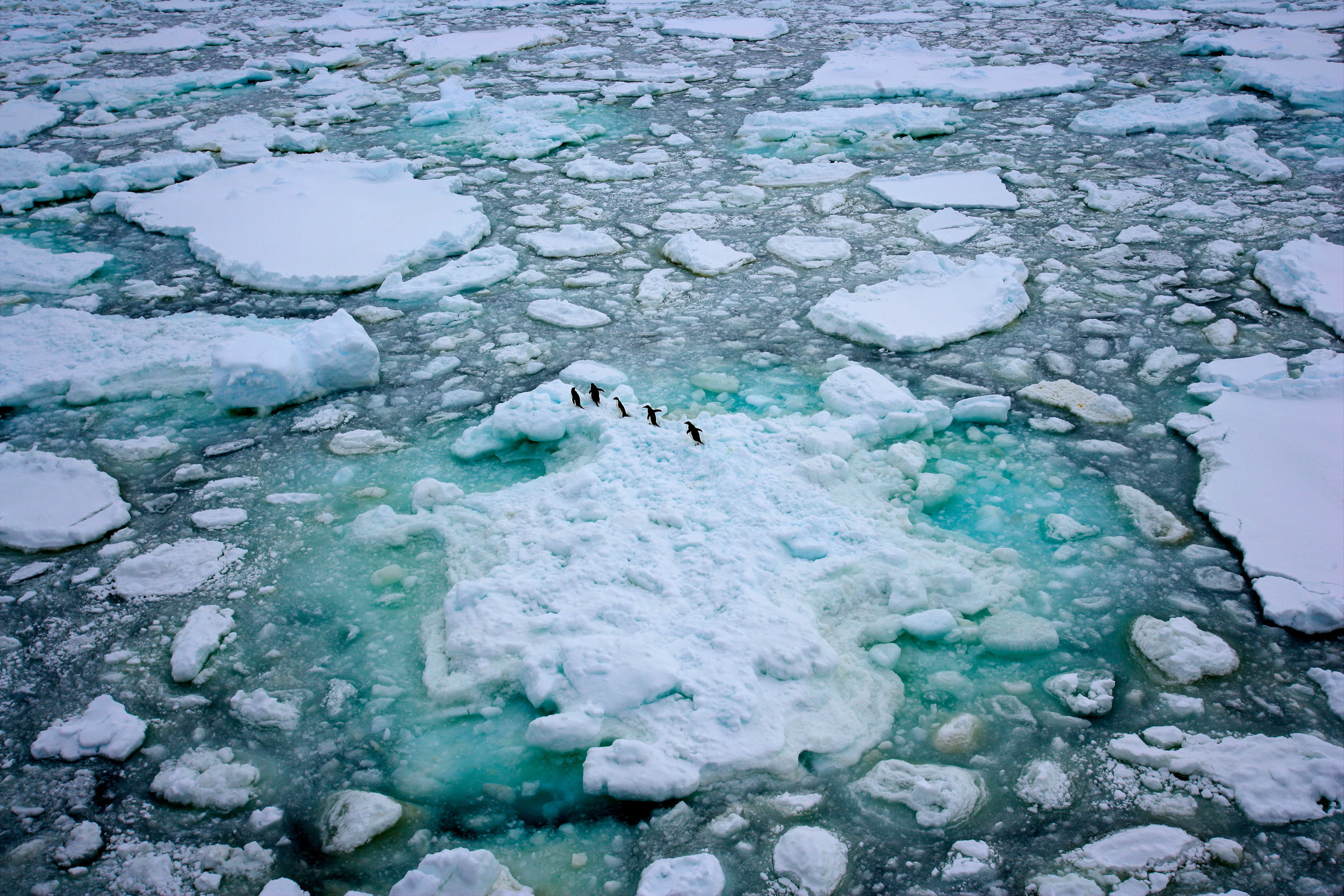
This evidence has closed the debate on whether carbon dioxide directly impacts Earth’s temperatures; it does.
The study of ice cores has provided us with a wealth of information about the planet and its climate. It has allowed us to understand the impact of carbon dioxide on the planet and how it has affected temperatures over time.
The ice cores have also helped us understand the air quality on the planet across history and how it has changed over time.
Melting Glaciers and Rising Sea Levels
Another area of focus in Antarctica is melting glaciers and rising sea levels. When floating ice melts, it displaces its own weight in water, meaning the water level stays nearly the same. The concern is the ice that newly flows from land into the sea, as warming is causing shelves around the continent to break up.
One such example is the Thwaites Glacier, also known as the “Doomsday Glacier,” which is one of the parts of Antarctica most at risk.
The ice shelf is melting from below because of warmer water, breaking apart in many places. If it goes, there won’t be anything to keep back the land glacier behind it, which could raise seas around the world by about two feet.
The melting glaciers and rising sea levels remind us of our immense responsibility, and the choices we make in the coming decades will affect countless generations to come. The science of Antarctica has allowed us to understand the impact of climate change on our planet and the consequences of our actions.
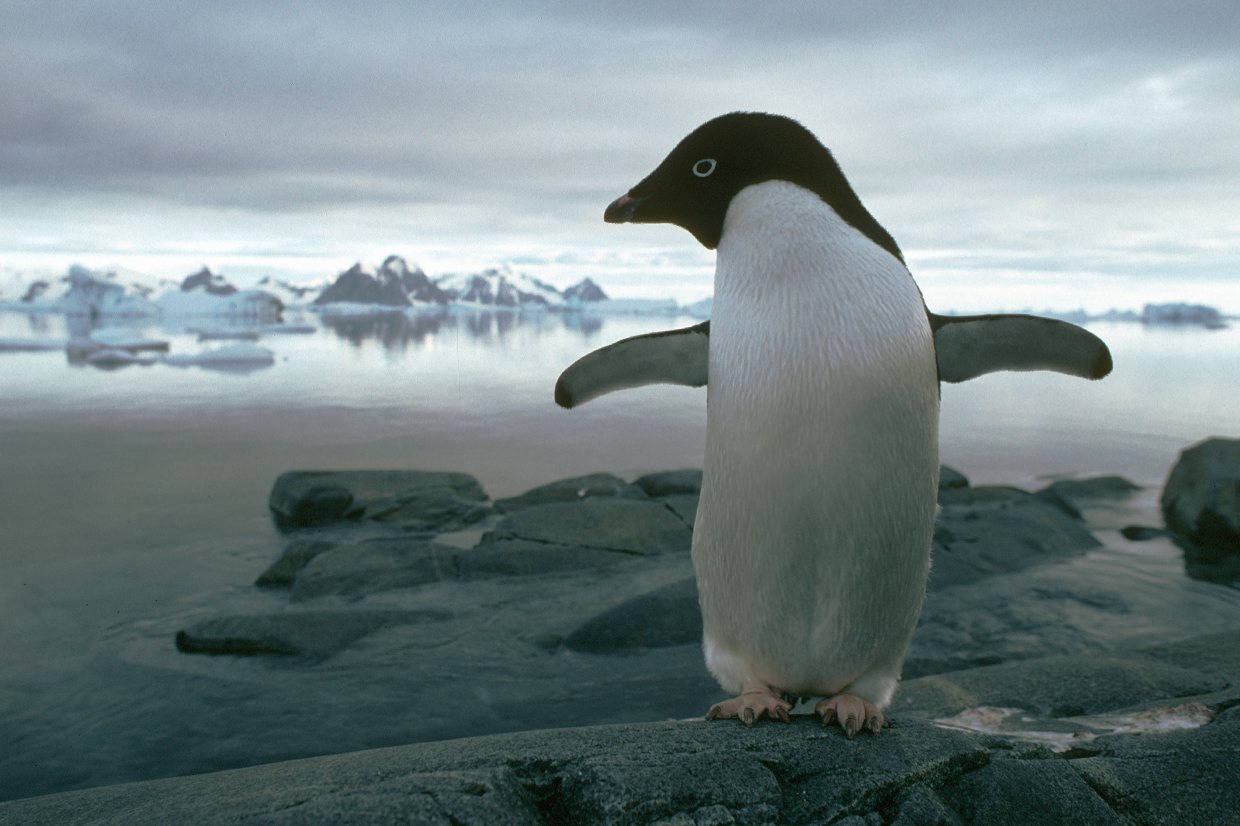
The Importance of Antarctica
The science of Antarctica is vital in helping us understand our planet and its climate. The ice cores offer us a window into the past and help us understand the impact of carbon dioxide on the planet.
Melting glaciers and rising sea levels remind us of our immense responsibility, and our choices in the coming decades will affect future generations.
Antarctica is a window into our planet’s climate and history. The science of Antarctica has provided us with a wealth of information and helped us better understand the impact of our actions on the planet.
It is a testament to the importance of scientific research and the need for continued investment in environmental studies. As we face the challenges of a changing climate, the lessons we have learned from Antarctica will be crucial in guiding our decisions and ensuring a sustainable future for future generations.
We are responsible for protecting this unique place and supporting scientific research in Antarctica so that we can continue to learn from this incredible continent and protect our planet for future generations.
Key Takeaways
- Antarctica is protected by the Antarctic Treaty, signed in 1959, which makes it a nature reserve for all of humanity, dedicated to scientific research and peaceful pursuits.
- The Antarctic Treaty System is a collection of agreements that build upon the original treaty and limit the military presence and commercial exploitation on the continent.
- The international community has come together to support scientific research in Antarctica, fostering a high level of collaboration among the countries operating research stations on the continent.
- Antarctica serves as a model for international cooperation, demonstrating how the world can come together to protect a shared resource for the good of all.
- In 2048 the Antarctic Treaty will be reviewed, and the world will face a critical test of its capacity to cooperate and protect this unique and essential place.

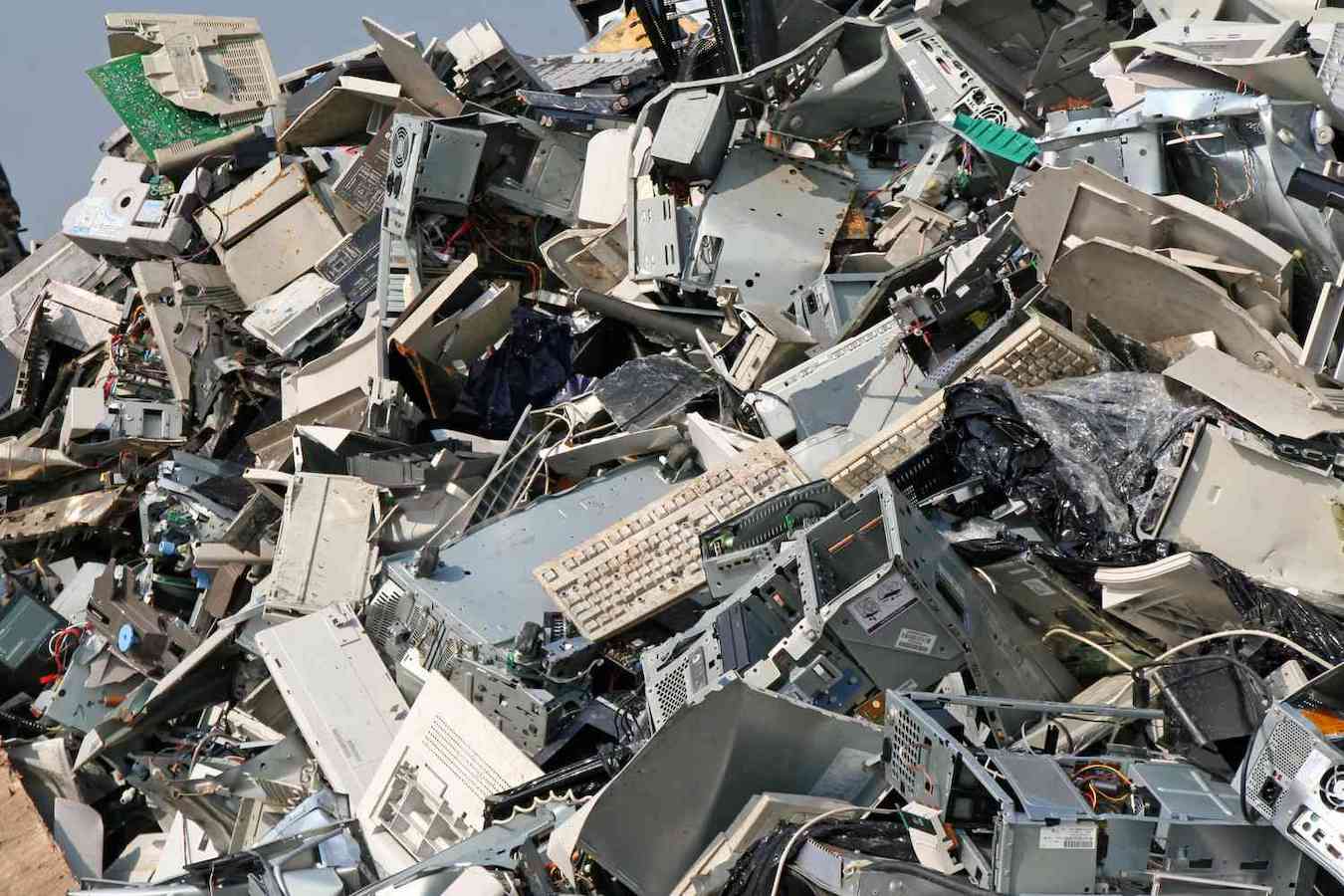
In today’s society, electronic waste, or “e-waste,” is a growing issue. According to the United Nations Global Ewaste Monitor, over 50 million metric tons of e-waste were produced globally in 2019, and only 17.4 per cent of it was collected and recycled. As more people dispose of their electronics, the problem will continue to grow.
The solution is not just to recycle, but to do so responsibly. There are many ways to dispose of your electronics responsibly, and here are some ideas to help you get started.
Use devices for longer
Before disposing of your devices, consider using them for a little longer. Instead of constantly upgrading, see if you can get more use out of your current device. If you must buy a new one, do your research to find ethical and eco-friendly electronics. Look for manufacturers and retailers with trade-in and recycling programs.
The older devices get, the less positive impact they can make.
You can also buy used or refurbished products on eBay, Amazon, or directly from manufacturers like Apple and Samsung.
Pass devices on
If your electronics are still in good condition, consider passing them on to friends, family, or neighbors who can use them. This is the best way to get the most value out of your electronics. You can also use sites like the Freecycle Network or local Buy Nothing groups to find people interested in free electronics.
Repair and refurbish
Repairing or refurbishing your electronics before disposing of them is a smart move. iFixit is an excellent resource for step-by-step repair guides covering phones, tablets, laptops, computers, game consoles, and cameras.
YouTube also has many repair videos, and there are repair techs like Louis Rossmann, Jessa Jones, Ben’s Appliances and Junk, and Rich Rebuilds who offer repair tips. If you prefer face-to-face interaction, look for a repair café in your area.
The Restart Project is a good resource for those in the UK looking to repair or donate devices.
Sell or trade
If you want to make some money, you can sell old devices even if they are broken. Broken devices can be sold for parts, and you can get a higher fee if you clean and repair them first. You can sell directly to people through eBay, Craigslist, Facebook Marketplace, or Nextdoor.
You can also consider using Swappa, DeCluttr, or GadgetPickup, which offer online questionnaires to determine a price and often provide free postage.
Instead of dropping devices off for repair, you may sit with the expert and learn how to troubleshoot for yourself.
Take-back or trade-in programs are another options, but you may not make as much as you would through a sale, and often you might get your fee as store credit.
Donate
If you want your old electronics to do some good, consider donating them to worthy causes. Goodwill is a great option because the company has a strong reuse hierarchy and aims to get as much as it can out of electronics before recycling them.
You can also find local charities that accept electronics through Donation Town. Nonprofits like Cell Phones for Soldiers and Recycle Health accept old cell phones and fitness trackers, respectively, and put them to good use.
Research and recycle
If your electronics cannot be reused, you should recycle them responsibly. Many places, like Best Buy and Staples, will accept and recycle your old electronics. Local facilities that handle electronics for reuse and recycling sometimes have community drop-off events, and local municipalities often have electronics collections once or twice a year.
It’s important to note that not all recycling centres and schemes are equal. The R2 Standard, administered by SERI, sets best practices for protecting the environment, worker health and safety, and natural resources.
Don’t let devices hibernate in a junk drawer or closet and waste away.
You can find R2 Certified facilities that ensure any used electronics are processed responsibly, including any residual data on devices. SERI also has a search tool to find R2 Certified facilities.
In conclusion, it is important to dispose of your electronics responsibly. There are many ways to do this, including using devices for longer, passing them on to others, repairing or refurbishing them, selling or trading them, donating them to worthy causes, and recycling them responsibly.
By doing so, we can reduce the amount of e-waste produced, protect the environment and natural resources, and promote worker health and safety.
So, the next time you’re thinking about getting rid of your old electronics, remember to do so responsibly.

Anxiety disorders are a prevalent mental health issue that can affect individuals worldwide. Many people wonder whether anxiety disorders can be passed down from parents to their children.
Psychiatrist Jana Ali Zaabalawi explains that anxiety disorders can indeed be transmitted from parents to children, citing biological, psychological, and social factors that contribute to the development of the disorder.
Genetics plays a role in the transmission of anxiety disorders, as anxious parents often have anxious children, and females tend to suffer from anxiety more frequently than males. Children can also acquire anxiety from their parents’ behavior and become anxious as a result of environmental factors such as family problems or problems at school.
Genetics plays a role in the transmission of anxiety disorders.
Zaabalawi emphasizes that anxious parents are typically overprotective towards their children, which can cause them to become anxious and reliant on their parents. This dependence can prevent them from developing the skills needed to cope with their fears, leading to anxiety in adulthood and other complications such as depression.
To avoid passing on anxiety disorders to their children, parents should seek appropriate psychological treatment. Family and psychological counselor Dr Ahmed Sirwi states that the way parents interact with their children has a direct impact on the formation of their personality, and anxiety disorders fall under 11 types of disorders.
Thus, parents can either contribute to the development of these disorders or help to reduce them by adopting appropriate parenting methods.
Children tend to imitate their parents’ behavior from an early age.
According to a study by Healthline, anxiety disorders are more likely to be passed on from fathers to sons and from mothers to daughters. The study indicates that anxiety disorders usually begin early in life, and having a parent with an anxiety disorder is a significant risk factor.
Children tend to imitate their parents’ behavior from an early age, and characteristics of the same-sex parent are often transmitted to them. Therefore, parents should be mindful of their behavior in the presence of their children to avoid transmitting anxiety disorders to them.
Shane Owens, a behavioral and cognitive psychologist in New York who supervised the study, says that children will imitate their parents from an early age. Owens warns parents that “what they do in the presence of a child is likely to be imitated.”
Anxious parents are typically overprotective towards their children, which can cause them to become anxious.
Children look up to their parents, and the characteristics of parents, especially of the same sex, are often transmitted to them. This extends to behavior, especially in times of crisis. A boy with anxiety will act like his father, and a girl with anxiety will mimic her mother’s response to similar circumstances.
In summary, anxiety disorders can be transmitted from parents to children due to a combination of biological, psychological, and social factors. Parents who suffer from anxiety disorders should seek appropriate psychological treatment to avoid passing on the disorder to their children.
Parents should also be mindful of their behavior in the presence of their children as children tend to imitate their parents’ behavior from an early age.

Finding a job without prior experience can be a real challenge, and it’s commonly known as the experience paradox or the Catch-22 of getting a job.
Unfortunately, it can easily set your career back by several years, especially if you make the wrong decisions early on. However, there are ways to overcome this obstacle, and with the right strategy, you can break into any industry and earn what you’re worth.
Be the person you would hire
The reason companies prefer to hire experienced people is that there’s a big difference between someone who has the experience and someone who doesn’t. Even two years of experience can mean a lot in terms of learning the ins and outs of a job.
Be the change you wish to see in the world. (Mahatma Gandhi)
The first two to three years of college are all about learning to be a professional. Therefore, it’s important to take your career seriously and act like the person you would want to hire. The good news is that many companies are putting more emphasis on hiring for skills and character, rather than just experience.
Seek out these companies and make sure that you’re a professional with the necessary skills to do a good job. If you don’t feel confident in your skills yet, spend more time honing them.

Ask companies that hire for skills and character
If you want to find a company that hires for skills and character, you have to ask. Getting a job is not easy and requires a lot of manual labor.
Reach out to people in HR at companies you’re interested in and ask about their interview process. How does the application process work? What are the characteristics they’re looking for in candidates?
Use this information to apply for jobs you’re interested in, and make sure you’re meeting the company’s requirements.
Do free work
Demonstrating your skills can be more effective than talking about them. Offering to do free work for a company is a great way to demonstrate your skills in a real-life setting. Find a company you’d like to work for, be specific about what value you can provide, and identify a person you’d like to work for.
I have not failed. I’ve just found 10,000 ways that won’t work. (Thomas Edison)
Reach out to them directly and explain your proposal. Also, send your resume along, so they can get an idea of your background. Be specific about what value you want to receive, whether it’s a reference, potential job, or experience.
Finally, be specific about the time frame you’re willing to work for free. In most cases, a few months are enough to demonstrate your skills, and it’s not something you should do forever.

Keep learning and improving
One of the key lessons for everyone launching their career is to consider themselves as learning machines. When you feel too proud to learn or work for free, you will get stuck sooner than later.
However, when you keep improving yourself and reaching out to people in the industry you want to work in, it will ultimately lead to a real job.
Therefore, never stop learning and improving yourself, and don’t be afraid to take risks and try new things. With persistence and the right mindset, you can overcome the experience paradox and achieve your career goals.


Unlocking the Power of Smart Devices: What You Need to Know

AI’s Journey Through the Heart of Political Change

Saudi Arabia’s Tech Revolution: A Blueprint for Global Innovation

New Revolution in MENA Region: FAST and Ad-Supported

How Technology is Reshaping Modern Warfare

AI in Hollywood: A New Scriptwriter in Town

Use these services to get free cloud space

Emerging Titan: India’s Strategic Move on The Global Chessboard
New Revolution in MENA Region: FAST and Ad-Supported

From Unity to Split: Is This Libya’s New Chapter?

Navigating The New Silk Road: A Ten-Year Retrospective
How Technology is Reshaping Modern Warfare

-
 Technology11 months ago
Use these services to get free cloud space
-
 Poltics2 years ago
Emerging Titan: India’s Strategic Move on The Global Chessboard
-
 Technology2 months ago
New Revolution in MENA Region: FAST and Ad-Supported
-
 Poltics3 months ago
From Unity to Split: Is This Libya’s New Chapter?
-
 Poltics3 months ago
Navigating The New Silk Road: A Ten-Year Retrospective
-
 Technology2 months ago
How Technology is Reshaping Modern Warfare